Evening Hour Appointments For New Patients!
What to Do When a Crown or Filling Falls Out


Losing a dental crown or filling can be alarming, especially when it happens unexpectedly while you’re eating or going about your day. A lost restoration leaves the tooth underneath exposed and vulnerable to sensitivity, bacteria, and further damage. The good news is that a lost crown or filling does not necessarily mean you’ve lost the tooth. Taking the right steps immediately and arranging a dental evaluation as soon as possible can help protect the tooth and prevent a minor problem from becoming a more serious one.
At Camarillo Premier Dental Group, Dr. Thomas M. Pham regularly helps patients with damaged or missing dental restorations. Here’s what you should do if your crown or filling falls out.
Why a Lost Crown or Filling Needs Prompt Attention
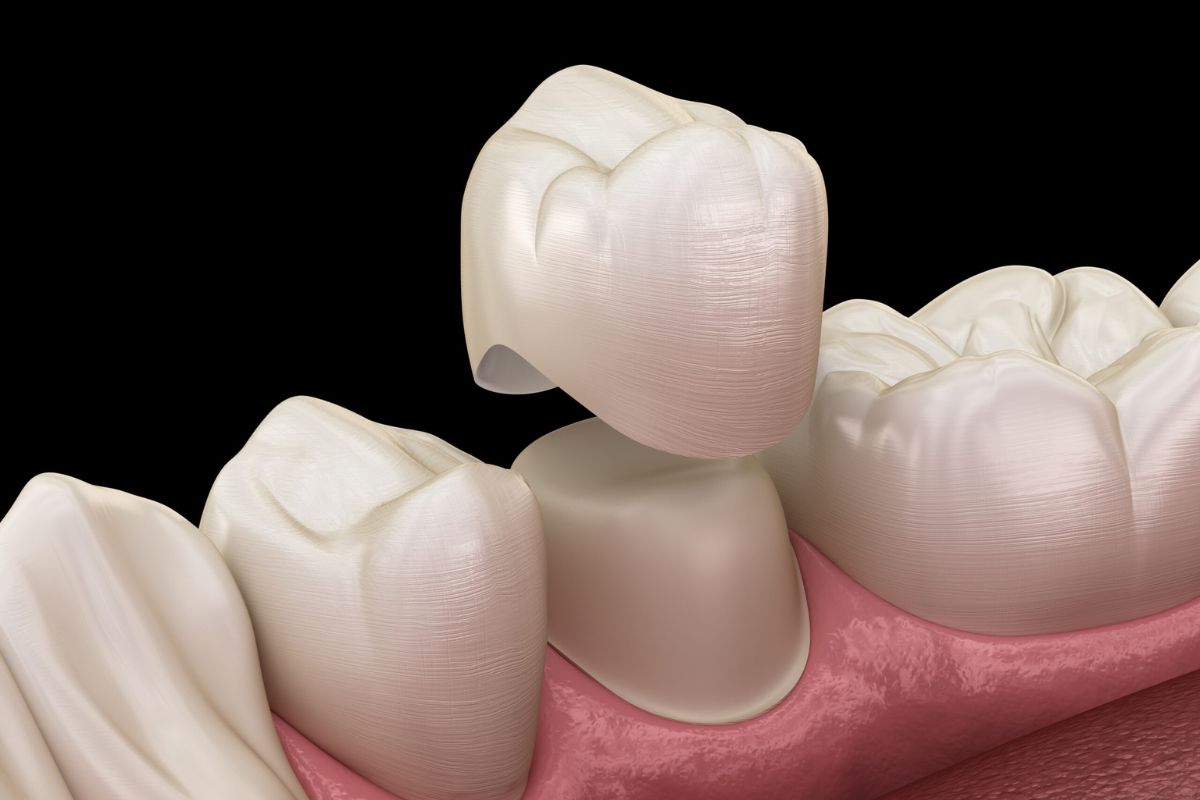
Crowns and fillings protect weakened or previously damaged teeth. A crown covers the entire visible portion of a tooth, while a filling seals an area where decay or damage has been removed. When either restoration comes out, the underlying tooth may be exposed to bacteria, food particles, chewing pressure, and temperature changes. The tooth may also become more sensitive because dentin underneath the enamel can contain microscopic channels connected to the dental nerve.
Delaying treatment can increase the risk of additional decay, cracks, or further damage to the tooth. In some cases, what could have been a straightforward repair may eventually require more extensive treatment.
What to Do Immediately After Losing a Restoration
If your crown or filling has fallen out, take these steps while arranging an appointment:
- Find the restoration: If you can locate the crown, gently rinse it with water and place it in a clean container. Bring it with you to your dental appointment.
- Protect the tooth: Avoid chewing on the affected side until the tooth has been evaluated.
- Keep the area clean: Continue brushing gently and rinse your mouth with warm water to help remove food debris.
- Choose soft foods: Yogurt, eggs, oatmeal, mashed potatoes, and other soft foods can reduce pressure on the exposed tooth.
- Manage sensitivity: Avoid very hot, cold, sweet, or acidic foods and drinks if they trigger discomfort.
- Contact your dentist: Schedule an evaluation as soon as possible rather than waiting for the restoration to become painful.
If a crown is still intact, your dentist may determine that it can be cleaned and recemented. If the crown is damaged or the tooth underneath has changed, a new restoration may be necessary.
What Not to Do After Losing a Crown or Filling
Your first reaction may be to fix the problem yourself, but certain approaches can cause more harm. Never use super glue or household adhesive. These products are not designed for dental use and can damage the tooth, gums, or restoration. They may also make it more difficult for your dentist to properly treat the tooth. You should also avoid biting directly on the exposed tooth. Hard, crunchy, sticky, or chewy foods can place excessive pressure on the remaining tooth structure.
Do not repeatedly touch the area with your fingers or tongue. Doing so can irritate the tooth and introduce bacteria. Most importantly, don’t assume that a painless tooth does not need treatment. A lost restoration still leaves the tooth vulnerable even if you feel little or no discomfort.
When a New Restoration May Be Necessary
Not every lost crown or filling can simply be put back into place. Your dentist will need to determine why the restoration came out and whether the tooth is still healthy enough to support a new one. For example, a crown may have loosened because the cement failed, but it may also have come off because the underlying tooth developed decay or fractured. Similarly, a filling may fall out because the tooth has experienced additional decay or because the surrounding structure has weakened.
Depending on the condition of your tooth, treatment may include a replacement filling, crown repair, or a new crown. This is where dental crown placement in Camarillo may become an appropriate treatment option. If the tooth has significant structural damage but remains suitable for restoration, a new crown can cover and protect the remaining tooth structure while restoring normal function.
Signs You Need Urgent Dental Care
Some symptoms indicate that you should contact your dentist promptly rather than waiting for a routine appointment.
Seek urgent dental attention if you experience:
- Severe or persistent tooth pain
- Significant sensitivity that does not improve
- Swelling around the tooth, gum, jaw, or face
- A visible crack or fracture in the tooth
- Bleeding that does not stop
- Fever or other signs of infection
- Difficulty biting or closing your mouth normally
Facial swelling, severe pain, fever, or difficulty swallowing or breathing can indicate a more serious infection and should be treated as an urgent dental or medical concern.
How a Dentist Treats a Lost Crown or Filling
Your dentist will first examine the tooth and restoration to determine what caused the problem. X-rays may be recommended to check for decay, fractures, infection, or damage beneath the restoration. If the original crown is intact and still fits properly, it may be possible to clean it and recement it. If the crown is cracked, worn, or no longer fits correctly, your dentist may recommend replacing it.
For a lost filling, the dentist will remove any decay or damaged material before restoring the tooth with an appropriate dental filling material in Camarillo. If too much tooth structure has been lost, a crown may provide better protection. The goal is not simply to replace what fell out. Your dentist needs to address the reason the restoration failed and make sure the remaining tooth is strong enough for the recommended treatment.
How to Protect Your Restorations
Once your crown or filling has been replaced, good oral care can help extend its lifespan. Brush twice a day with fluoride toothpaste and clean between your teeth regularly. Keep routine dental appointments so your dentist can identify early signs of decay, cracks, or restoration problems.
If you frequently chew ice, hard candy, pens, or other hard objects, breaking these habits can also reduce unnecessary stress on your teeth and restorations. A balanced diet and consistent preventive dental care can further reduce your risk of developing the decay or structural damage that may cause restorations to fail.
Don’t Wait to Address a Lost Restoration
A lost crown or filling is not something you should ignore, even if your tooth feels fine. The exposed tooth is more vulnerable to damage, sensitivity, and decay until it is properly restored. Saving the restoration, protecting the tooth, avoiding pressure on the area, and contacting your dentist promptly are the best first steps.
At Camarillo Premier Dental Group, Dr. Thomas M. Pham can evaluate the affected tooth and recommend the most appropriate treatment, whether that means recementing an existing crown, replacing a filling, or placing a new restoration. Schedule an appointment to have your tooth evaluated and get the protection it needs.
Frequently Asked Questions
What should I do if my dental crown falls out?
Save the crown, gently rinse it with water, and keep it in a clean container. Avoid chewing on the affected side and contact your dentist as soon as possible for an evaluation. Your dentist can determine whether the crown can be recemented or needs to be replaced.
Can I eat after losing a crown or filling?
Yes, but choose soft foods and chew on the opposite side of your mouth. Avoid hard, sticky, crunchy, very hot, or very cold foods that could irritate or further damage the exposed tooth.
Can a dentist put a crown back after it falls out?
Sometimes. If the crown is intact and the underlying tooth has not significantly changed, your dentist may be able to clean and recement it. If the crown is damaged or the tooth has decay or a fracture, a new restoration may be necessary.
How long can I wait after losing a crown?
You should contact your dentist promptly rather than waiting several days or weeks. A missing crown leaves the tooth more vulnerable to sensitivity, decay, and fracture. Prompt evaluation gives your dentist a better opportunity to protect the remaining tooth structure.
Is a lost filling a dental emergency?
A lost filling should be evaluated promptly, particularly if you have pain, significant sensitivity, a sharp edge, or a visible crack. The urgency depends on the condition of the tooth and your symptoms. Defective restorations accompanied by pain are considered an urgent dental concern by the American Dental Association.
Can I temporarily fix a lost crown at home?
Temporary dental repair products may sometimes provide short-term protection, but they should not replace professional treatment. Never use super glue or household adhesives on a crown or tooth. Contact your dentist for guidance and professional repair.
Why does my tooth hurt after my filling falls out?
A lost filling can expose sensitive areas of the tooth to air, food, pressure, and temperature changes. Pain can also indicate deeper decay, inflammation, or damage to the tooth. Persistent or severe pain should be evaluated by a dentist.