Evening Hour Appointments For New Patients!
What Really Happens Below Your Gumline When Plaque Builds Up

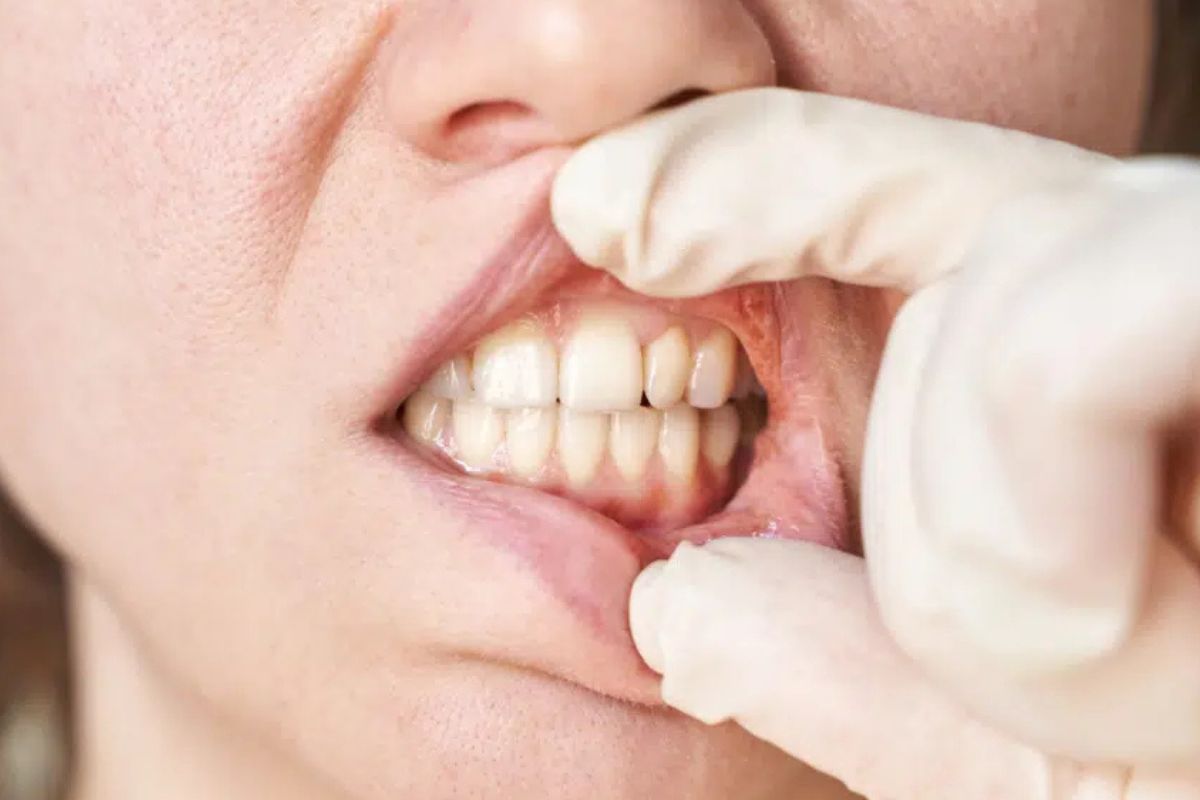
Your toothbrush does a good job cleaning the surfaces of your teeth, but it cannot reach every area where plaque and tartar can accumulate. Even with careful brushing and flossing at home, tiny particles of food and bacteria can still find their way into hard-to-reach spaces. Over time, these hidden areas can become a breeding ground for plaque buildup, especially below the gumline where visibility and access are limited. Below the gumline, bacteria can collect in spaces that are difficult to clean at home, gradually irritating the gums and potentially leading to more serious oral health concerns if left unaddressed. Understanding what happens in these areas can help you recognize the importance of regular professional dental care and why routine checkups play such a vital role in maintaining long-term gum health.
At Camarillo Premier Dental Group, Dr. Thomas M. Pham helps patients protect their teeth and gums through preventive care, professional cleanings, and treatment when signs of gum disease develop.
Why Plaque Below the Gumline Matters
Your gums form a protective seal around your teeth. When plaque remains along the gumline, the bacteria within it can irritate the surrounding gum tissue. If plaque is not removed regularly, it can harden into tartar, also called calculus. Unlike plaque, tartar cannot be removed with a toothbrush or floss. It creates a rough surface where additional plaque can accumulate, making it harder to keep the area clean. This buildup can contribute to gingivitis, the earliest stage of gum disease. Without appropriate care, gum inflammation can progress and affect the tissues and bone supporting the teeth. One reason gum disease can be difficult to recognize is that it may not cause noticeable discomfort in its early stages. Regular dental examinations allow your dentist to look for changes that may not be obvious at home.
How Gum Disease Can Progress
Gum disease develops gradually. As plaque and tartar accumulate around the teeth, the gums may become irritated and inflamed. Over time, the tissue can begin pulling away from the teeth, creating spaces known as periodontal pockets. These pockets can make cleaning more difficult and provide additional areas where bacteria and debris can collect. As the condition progresses, the supporting structures around the teeth can become affected.
Common warning signs include:
- Bleeding when brushing or flossing
- Red, swollen, or tender gums
- Persistent bad breath
- Gum recession or teeth appearing longer
- Increased tooth sensitivity
- Changes in how teeth fit together
- Loose or shifting teeth
These symptoms should not be ignored. They may indicate gingivitis or more advanced periodontal disease and should be evaluated by a dental professional.
What Professional Cleanings Remove
Daily brushing and flossing are essential, but professional dental cleanings address buildup that routine home care cannot completely remove. During a cleaning, dental professionals use specialized instruments to remove plaque and tartar from tooth surfaces and around the gumline. The teeth may then be polished to remove certain surface stains and residual plaque. For patients with periodontal concerns, a routine cleaning may not be enough. Depending on the condition of the gums and the depth of periodontal pockets, a dentist may recommend a deeper cleaning such as scaling and root planing. This procedure removes plaque and tartar from below the gumline and smooths affected root surfaces. Creating a cleaner root surface can make it easier for the gums to heal and can help control bacterial buildup.
When Periodontal Maintenance May Be Recommended
Once a patient has developed periodontal disease, ongoing care may be necessary even after initial treatment. This is where periodontal maintenance in Camarillo can become an important part of protecting long-term gum health. Periodontal maintenance appointments are designed to monitor gum health and remove plaque and tartar before they can contribute to further problems. Your dentist or dental hygienist can also evaluate changes in gum tissue and periodontal pocket measurements over time.
The recommended frequency varies from patient to patient. Some people may benefit from routine six-month cleanings, while those with a history of periodontal disease may need maintenance visits more frequently. Following the recommended schedule is important because periodontal disease can return or become active again when bacterial buildup is allowed to accumulate.
When Deeper Treatment May Be Necessary
Not every patient with gum inflammation needs extensive treatment. However, when periodontal disease has progressed beyond early gingivitis, professional intervention may be necessary to control the infection and protect the structures supporting the teeth. Depending on your oral health, periodontal disease treatment may include scaling and root planing, improved home care, periodontal maintenance, or other therapies recommended after a thorough evaluation.
Your dentist may assess your gums for bleeding, recession, pocket depth, tartar accumulation, and other signs of periodontal problems. These findings help determine which treatment approach is appropriate for your individual needs. Early evaluation can also make treatment more manageable. The sooner gum disease is identified, the sooner you can begin taking steps to control it.
How Often Should You Have Your Teeth Professionally Cleaned?
For many people, professional dental cleanings are recommended twice a year. However, there is no single schedule that works for everyone. Patients with a history of gum disease may require more frequent periodontal maintenance appointments. Other factors, including tobacco use, dry mouth, certain medical conditions, oral hygiene habits, and previous periodontal problems, can also affect your risk.
Your dentist can recommend an appropriate cleaning and maintenance schedule based on your oral health rather than relying on a one-size-fits-all approach.
Daily Habits That Protect Your Gums
Professional care works best when combined with consistent home care. Between appointments, focus on habits that help control plaque before it has an opportunity to accumulate.
Helpful daily habits include:
- Brush your teeth twice a day for two minutes with a soft-bristled toothbrush.
- Clean between your teeth daily with floss or another dentist-recommended interdental cleaner.
- Pay attention to the gumline while brushing.
- Drink water regularly, particularly if you experience dry mouth.
- Limit frequent consumption of sugary foods and drinks.
- Avoid tobacco products.
- Replace your toothbrush or brush head when the bristles become worn.
If brushing or flossing causes your gums to bleed consistently, do not simply stop cleaning the area. Talk with your dentist so the underlying cause can be evaluated.
Why Regular Gum Care Matters
Healthy gums provide important support for your teeth. Preventing or controlling gum disease can help protect the tissues and bone surrounding your teeth and reduce the likelihood of tooth loss associated with advanced periodontal disease. Gum health is also part of maintaining overall oral health. While research continues to examine the relationship between periodontal disease and various systemic health conditions, keeping your mouth healthy remains an important part of your overall wellness. The best approach is proactive care rather than waiting until symptoms become uncomfortable.
Protect Your Gums Before Problems Progress
Plaque and tartar below the gumline can be difficult to detect and impossible to remove completely with a toothbrush alone. Regular examinations and professional cleanings give your dental team an opportunity to identify problems early, remove hardened buildup, and monitor the health of your gums.
If you have bleeding gums, persistent bad breath, gum recession, tooth sensitivity, or a history of periodontal problems, schedule an evaluation with Camarillo Premier Dental Group. Dr. Thomas M. Pham and the dental team can assess your gum health and recommend appropriate preventive or periodontal care. Taking care of your gums today can help protect your smile for years to come.
Frequently Asked Questions
What is the earliest sign of gum disease I should watch for?
Bleeding gums during brushing or flossing is usually the first noticeable sign. It indicates that bacteria have irritated your gum tissue enough to cause inflammation. Most patients dismiss this as normal, but it is actually an early warning sign worth addressing promptly with a professional cleaning.
Can gum disease be reversed with professional cleanings?
Early-stage gum disease, called gingivitis, can often be fully reversed with a professional cleaning and improved home care. Advanced gum disease, called periodontitis, cannot be fully reversed but can be managed and stabilized. The key is catching and treating it as early as possible.
How long does a professional cleaning typically take?
A routine professional cleaning at Camarillo Premier Dental Group usually takes between 45 and 60 minutes. If deeper cleaning is needed due to significant tartar buildup or gum disease, the appointment may be longer or divided into multiple visits for patient comfort.
Is there pain during a professional cleaning?
Most patients experience little to no discomfort during a routine cleaning. Patients with sensitive gums or significant tartar buildup may feel some pressure or sensitivity. Our team always prioritizes your comfort and can adjust techniques or discuss comfort options if you are feeling anxious.
What happens if I skip my regular dental cleanings?
Skipping cleanings allows tartar and bacteria to accumulate unchallenged below the gumline. Over time this leads to deepening gum pockets, tissue and bone loss, and eventually tooth loss. It also increases your risk of systemic health conditions linked to chronic gum inflammation. Consistent cleanings are the most cost-effective way to avoid those outcomes.