Evening Hour Appointments For New Patients!


Understanding Periodontal Disease: A Guide to Healthy Gums


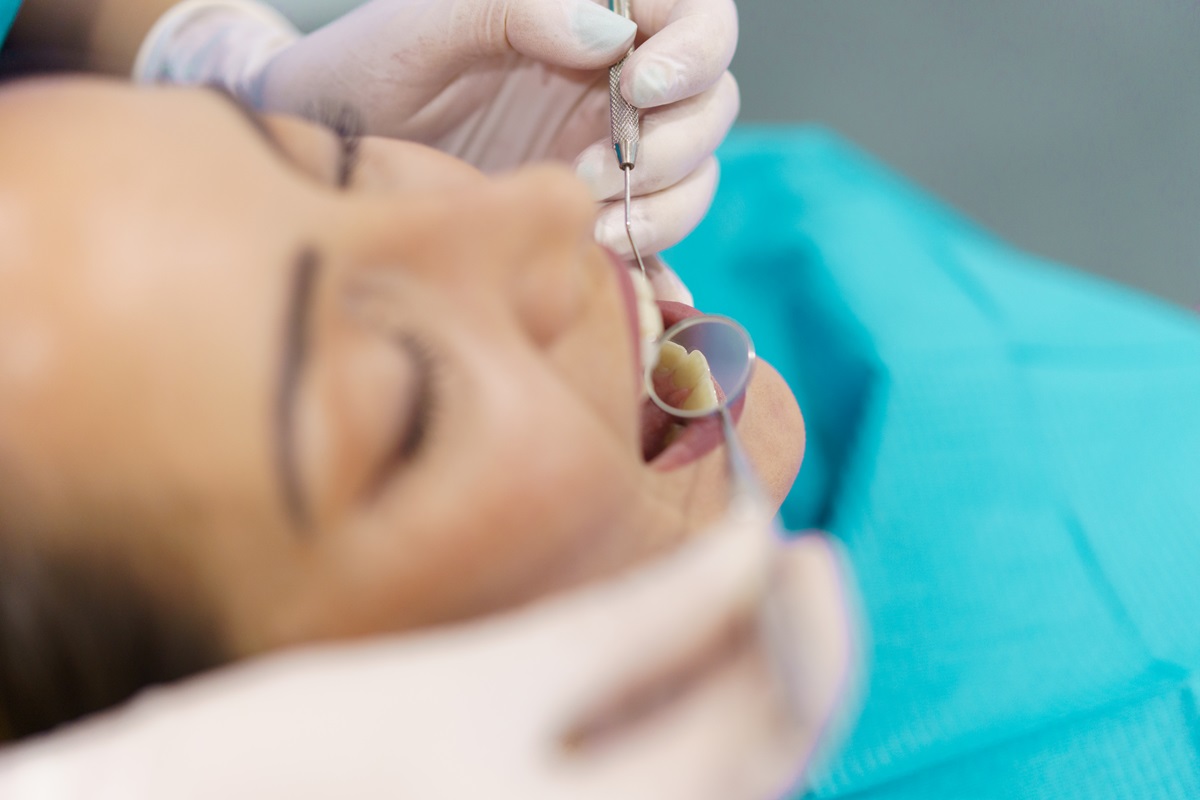
Your smile is one of the first things people notice, and maintaining healthy gums is just as crucial as keeping your teeth strong. Periodontal disease, or gum disease, is a common yet serious condition that affects many individuals. Understanding how it develops, recognizing the signs, and seeking appropriate treatment can help ensure you maintain good oral health for years to come. If you’re living in the Camarillo area, it’s important to know how to prevent and address this condition with the right periodontal disease treatment.
What is Periodontal Disease?
Periodontal disease is a bacterial infection that affects the gums, the tissue that surrounds and supports your teeth. It usually starts with plaque – a sticky film of food particles and bacteria that forms on your teeth. When plaque isn’t removed through regular brushing and flossing, it can harden into tartar, which can lead to gingivitis, the earliest stage of gum disease.
As gingivitis progresses, it can lead to more severe forms of gum disease, including periodontitis, which affects the deeper structures of your teeth and can result in tooth loss if left untreated.
How Does Periodontal Disease Develop?
Periodontal disease develops over time. Here’s a step-by-step look at how the condition typically progresses:
- Plaque Formation: Every day, bacteria in your mouth combine with sugars and food particles to form plaque. This sticky substance coats your teeth, increasing your risk of gum disease.
- Gingivitis: If plaque is not removed, it can irritate the gums, causing them to become red, swollen, and bleed easily. Gingivitis is the mildest form of gum disease and can often be reversed with good oral hygiene.
- Periodontitis: If gingivitis is not addressed, it can progress to periodontitis. At this stage, the infection spreads to the tissues and bone that support your teeth. You may notice your gums pulling away from your teeth, pockets forming, or even loose teeth.
Signs and Symptoms of Periodontal Disease
It’s essential to recognize the warning signs of periodontal disease so you can address it before it worsens. Common symptoms include:
- Bleeding Gums: Gums that bleed easily, especially when brushing or flossing, are a primary sign of gum disease.
- Swollen, Red Gums: Healthy gums should be firm and pale pink. Red, swollen gums are a clear indication of infection.
- Persistent Bad Breath: If you notice chronic bad breath or a bad taste in your mouth, it could be due to bacterial buildup from gum disease.
- Receding Gums: As the disease progresses, you might notice your gums pulling away from your teeth, which can expose more of the tooth or its root.
- Loose Teeth: Severe periodontal disease can cause the bone that holds your teeth to deteriorate, leading to loose or shifting teeth.
How Periodontal Disease Affects Your Overall Health
While periodontal disease primarily affects the gums and teeth, research shows it can have far-reaching effects on your overall health. Chronic gum disease has been linked to a number of serious health conditions, including:
Heart Disease: Inflammation caused by gum disease may increase your risk of heart disease and stroke.
Diabetes: Gum disease can make it more difficult to control blood sugar levels in people with diabetes, and in turn, uncontrolled diabetes can make gum disease worse.
Respiratory Problems: Bacteria from infected gums can be inhaled into the lungs, leading to conditions such as pneumonia.
Treatment for Periodontal Disease
If you notice any of the signs mentioned above, it’s essential to seek treatment promptly. Fortunately, periodontal disease treatment in Camarillo is available, and your dentist can guide you through the process. Treatment options vary depending on the severity of the disease.
- Deep Cleaning (Scaling and Root Planing): In the early stages, a deep cleaning may be all that’s needed to remove plaque and tartar from beneath the gumline. This procedure smooths rough spots on the tooth roots, preventing bacteria from regathering.
- Antibiotics: Your dentist may recommend antibiotics to control the bacterial infection in your gums. These can come in the form of a mouthwash, oral antibiotics, or a topical gel.
- Surgical Treatment: In advanced cases, surgery may be necessary. Procedures like flap surgery (to remove tartar and tissue) or bone and tissue grafts may be required to restore lost tissue and bone.
How to Prevent Periodontal Disease
Prevention is always better than treatment. Here are a few tips to help you keep your gums healthy:
Brush Twice a Day: Brushing your teeth twice daily with fluoride toothpaste removes plaque and prevents gum disease.
- Floss Daily: Flossing helps remove plaque from between your teeth and along the gumline, places your toothbrush might miss.
- Regular Dental Checkups: See your dentist regularly for professional cleanings and exams. This helps detect early signs of gum disease.
- Quit Smoking: Smoking is a major risk factor for gum disease, so quitting can help improve your gum health.
- Eat a Balanced Diet: A healthy diet rich in vitamins and minerals supports your immune system and oral health.
Being a resident of Camarillo, CA, offers you easy access to a wealth of local resources. Known for its beautiful weather, proximity to beaches, and vibrant community, Camarillo is a great place to call home. When it comes to maintaining your oral health, choosing local care for periodontal disease treatment in Camarillo ensures that you have professionals who understand the specific needs of the community.
Periodontal disease may seem like a minor issue, but if left untreated, it can lead to serious consequences. By recognizing the symptoms early, seeking professional treatment, and adopting good oral hygiene practices, you can keep your gums healthy and your smile shining bright. If you’re experiencing any symptoms of gum disease, don’t wait to seek help. Schedule an appointment today with your trusted dental care provider in Camarillo to get the treatment you need and protect your smile for the future.
FAQs
1. What causes gum disease?
Gum disease is primarily caused by plaque buildup on the teeth and gums. If plaque isn’t removed by regular brushing and flossing, it can harden into tartar, which can lead to infection.
2. How can I prevent gum disease?
Good oral hygiene, including regular brushing, flossing, and professional dental cleanings, is key to preventing gum disease. Additionally, avoiding smoking and eating a balanced diet can help.
3. How do I know if I need gum disease treatment?
If you notice symptoms such as bleeding or swollen gums, persistent bad breath, or loose teeth, it’s time to seek professional care for periodontal disease.