Evening Hour Appointments For New Patients!

Teeth Whitening: A Complete Guide to a Brighter Smile


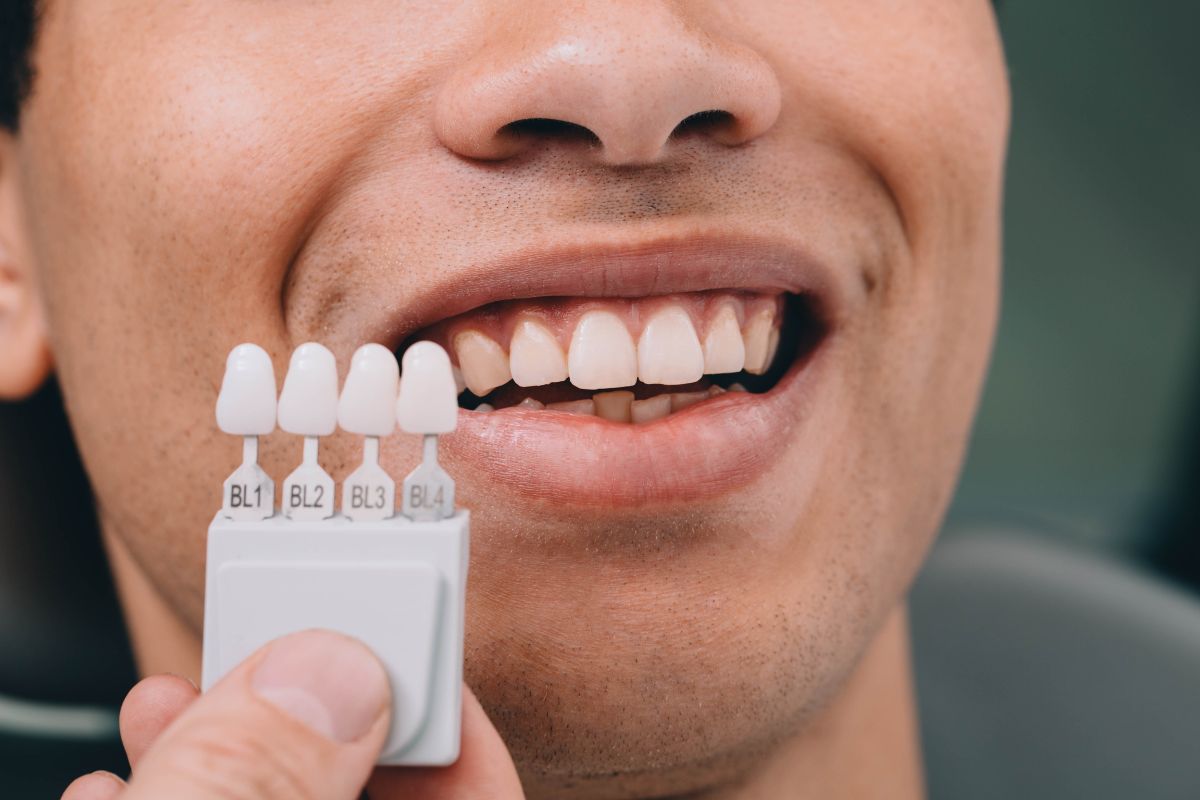
Teeth Whitening is one of the most popular dental treatments available today. Many people want a brighter smile but are unsure where to start. Understanding how whitening works helps you make informed decisions. At Camarillo Premier Dental Group, our dental team is committed to helping you learn about your options.
Why Do Teeth Become Discolored?
Tooth discoloration is extremely common. It happens to nearly everyone over time. Understanding the causes can help you prevent future staining.
There are two main types of tooth staining. Extrinsic stains affect the outer surface of the tooth. Intrinsic stains occur deeper within the tooth structure.
Common causes of extrinsic staining include:
- Coffee, tea, and red wine consumption
- Tobacco use, including smoking and chewing tobacco
- Certain foods like berries, tomato sauce, and soy sauce
- Poor brushing and flossing habits
- Sodas and acidic beverages
Intrinsic staining is harder to treat. It can result from certain medications, dental trauma, or aging. Some people are born with naturally darker enamel. A dental professional can help determine which type of staining you have.
How Does Professional Teeth Whitening Work?
Professional Teeth Whitening uses a peroxide-based gel to break down stain molecules. The active ingredient penetrates the enamel safely. This lifts discoloration from within the tooth structure.
In-office whitening treatments are performed by trained dental professionals. The process typically involves applying a high-concentration gel to your teeth. A special light may be used to activate the gel. Results are often visible after just one session.
Take-home whitening kits are another professional option. Your dentist provides custom-fitted trays and a whitening gel. You wear the trays for a set amount of time each day. Results develop gradually over one to two weeks.
Both options are significantly more effective than over-the-counter products. Professional treatments use higher-quality ingredients. They are also tailored to your specific dental needs. This leads to safer, more consistent outcomes.
Teeth Whitening vs. Over-the-Counter Products
Many whitening products are available at pharmacies and grocery stores. These include whitening strips, toothpastes, and rinses. While convenient, they have important limitations.
Here is how professional whitening compares to store-bought options:
- Concentration: Professional gels contain higher peroxide levels for better results
- Customization: Dentist-provided trays fit your teeth precisely, reducing gum irritation
- Supervision: A dental professional monitors your progress and adjusts treatment as needed
- Speed: Professional whitening delivers faster and more dramatic results
- Safety: Dentist-supervised treatments reduce the risk of sensitivity and enamel damage
Over-the-counter products are not harmful when used as directed. However, they are best suited for mild staining. For deeper or stubborn discoloration, professional treatment is more effective. Always consult your dentist before starting any whitening regimen.
What to Expect During and After Treatment
Before whitening begins, your dentist will examine your teeth. This ensures your gums and enamel are healthy enough for treatment. Any cavities or gum issues should be addressed first. A healthy mouth responds better to whitening.
During in-office treatment, your dentist will protect your gums. The whitening gel is then applied carefully to your teeth. You may feel a mild tingling sensation during the process. Most in-office sessions take about 60 to 90 minutes.
Some patients experience temporary tooth sensitivity after treatment. This typically fades within 24 to 48 hours. Using a toothpaste designed for sensitive teeth can help. Your dental team will advise you on managing any discomfort.
To maintain your results after whitening, consider these tips:
- Avoid staining foods and drinks for at least 48 hours after treatment
- Brush and floss twice daily to maintain oral hygiene
- Use a straw when drinking dark beverages
- Schedule regular dental cleanings to remove surface buildup
- Ask your dentist about touch-up treatments to maintain brightness
Is Teeth Whitening Right for Everyone?
Whitening is safe for most adults with healthy teeth and gums. However, it is not suitable for everyone. Certain conditions may limit the effectiveness or safety of treatment.
Whitening may not be recommended if you have:
- Tooth sensitivity or exposed root surfaces
- Dental restorations like crowns or veneers on front teeth
- Untreated cavities or active gum disease
- Severe intrinsic staining from medications or trauma
Crowns, veneers, and bonding do not respond to whitening agents. If you have visible restorations, whitening your natural teeth may create color mismatches. Your dentist can discuss options to achieve a uniform appearance. Learn more about our cosmetic dentistry services to find the right solution for your smile.
Pregnant or nursing individuals are generally advised to postpone whitening. Children and teenagers should also wait until their teeth are fully developed. Your dental team will help determine the best timing for your situation.
Maintaining Your Results Long-Term
Whitening results are not permanent. How long they last depends on your habits and lifestyle. Most professional treatments provide results that last six months to two years.
Regular dental visits play a big role in maintaining a bright smile. Professional cleanings remove surface stains before they become embedded. Your dentist can also recommend touch-up whitening as needed. Visit our dental team page to learn more about how we support your long-term oral health.
Daily habits matter just as much as professional treatments. Rinsing your mouth after consuming staining foods or drinks is helpful. Staying hydrated throughout the day also reduces staining. Small lifestyle changes can significantly extend your whitening results.
Conclusion
Teeth Whitening is a safe and effective way to enhance the appearance of your smile. Understanding the process helps you set realistic expectations. Working with a dental professional ensures you get the best possible results. Learn More about how we can help you achieve the bright, confident smile you deserve.
Frequently Asked Questions
How long does professional teeth whitening take?
In-office whitening sessions typically take 60 to 90 minutes. Take-home kits from your dentist may be used over one to two weeks. The timeline depends on the method chosen and the degree of discoloration being treated.
Does teeth whitening cause permanent sensitivity?
No, sensitivity from whitening is usually temporary. It typically resolves within 24 to 48 hours after treatment. Using a toothpaste formulated for sensitive teeth can help manage any discomfort during this period.
Can whitening damage tooth enamel?
When used as directed under professional supervision, whitening treatments are safe for enamel. Over-whitening or using improperly formulated products can cause irritation. Always follow your dentist’s recommendations to protect your enamel and gums.
Will whitening work on dental crowns or veneers?
No, whitening agents do not change the color of dental restorations like crowns, veneers, or bonding. Only natural tooth enamel responds to whitening treatments. Your dentist can discuss options to achieve a uniform smile if you have visible restorations.
How often can I whiten my teeth?
This depends on the whitening method used and your individual sensitivity. Most dentists recommend professional touch-up treatments every six to twelve months. Overuse of whitening products can lead to sensitivity and enamel irritation, so always consult your dental team first.