Evening Hour Appointments For New Patients!
What Can a Professional Dental Cleaning Do for Stained Teeth?


Many Camarillo patients leave a dental cleaning feeling fresh — but also a little confused. Their teeth feel smooth and clean, yet some discoloration remains. Understanding surface stains vs deep stains and what your cleaning actually removes in Camarillo helps set realistic expectations. At Camarillo Premier Dental Group, Dr. Thomas M. Pham believes informed patients get better results. Knowing what a cleaning can and cannot do empowers you to make smarter choices for your smile.
What Happens During a Professional Teeth Cleaning?
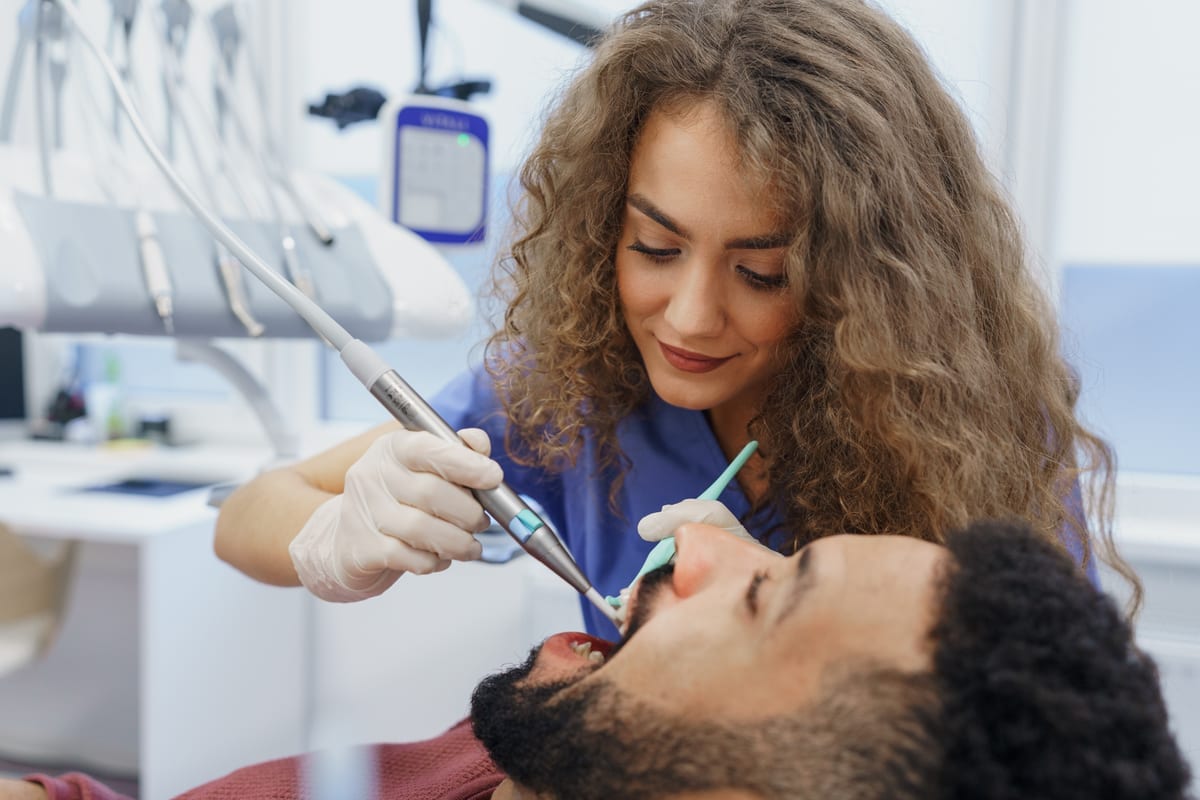
A professional teeth cleaning is more than a quick polish. Your hygienist uses specialized tools to remove plaque and tartar from your teeth and gumline. This process is called scaling, and it targets buildup that brushing at home simply cannot reach. After scaling, a gritty polishing paste buffs away light surface debris.
The cleaning also removes a thin film called the pellicle. This film clings to enamel and attracts staining particles from food and drinks. Removing it gives your teeth a noticeably cleaner, slightly brighter appearance. However, it does not change the internal color of your teeth.
It is important to understand what this process targets. Cleaning removes extrinsic stains — those sitting on or just beneath the surface of enamel. It does not penetrate the tooth structure to change deeper color.
Surface Stains: What a Cleaning Can Actually Remove
Surface stains are also called extrinsic stains. They form on the outside of the tooth enamel. These stains come from everyday habits that most Camarillo residents share.
Common sources of surface stains include:
- Coffee and tea consumed daily
- Red wine and dark sodas
- Tomato-based sauces and dark berries
- Tobacco use, including cigarettes and chewing tobacco
- Poor brushing habits that allow plaque to accumulate
Professional cleaning and polishing can lift many of these extrinsic stains effectively. The result is teeth that look noticeably cleaner and more uniform. Patients who come in regularly tend to see better stain removal each visit because buildup has less time to set.
However, even extrinsic stains vary in stubbornness. Heavy tobacco staining or years of coffee buildup may only partially respond to a standard cleaning. In those cases, additional cosmetic options become worth considering.
Deep Stains: What a Cleaning Cannot Fix
Deep stains are called intrinsic stains. They originate inside the tooth structure itself. No amount of polishing can reach or remove them. Understanding this distinction is key when you think about surface stains vs deep stains and what your cleaning actually removes in Camarillo.
Intrinsic stains develop from several causes:
- Tetracycline antibiotic use during tooth development
- Excessive fluoride exposure during childhood (dental fluorosis)
- Natural aging, which thins enamel and reveals yellow dentin beneath
- Trauma to a tooth that causes internal bleeding or nerve damage
- Genetic factors that affect enamel thickness or color
These stains are locked inside the tooth. A cleaning will not change them. Patients sometimes feel disappointed after a cleaning because these deeper tones still show. That is completely normal — it simply means a different treatment is needed.
Dr. Pham takes time to explain this distinction clearly during every exam. Knowing the cause of your discoloration helps determine the right path forward.
What Can Actually Treat Deep or Stubborn Stains?
If a cleaning alone does not achieve the brightness you want, you have real options. The right treatment depends on the type and severity of your staining. Dr. Pham will evaluate your teeth and recommend the most effective approach for your specific situation.
For extrinsic stains that need more than a cleaning, professional teeth whitening works well. Whitening gel penetrates the enamel surface to break apart stain molecules. This can lift discoloration that polishing leaves behind. Results are typically several shades brighter after a single session.
For intrinsic stains or severe discoloration, whitening may not be enough. In those cases, veneers or dental crowns provide a longer-lasting cosmetic solution. Veneers cover the front surface of the tooth with a thin porcelain shell. Crowns cap the entire tooth and restore both appearance and function.
Patients interested in exploring cosmetic options can learn more about our team and philosophy by visiting our About Us page. We are committed to helping every Camarillo patient find a treatment plan that fits their goals and lifestyle.
How to Maintain Results Between Cleanings in Camarillo
Preventive habits between appointments make a significant difference. They help preserve the results of your cleaning and slow the return of surface stains. Small daily changes add up over time.
Here are practical steps to reduce surface staining between visits:
- Rinse your mouth with water after drinking coffee, tea, or wine
- Use a whitening toothpaste to gently polish enamel daily
- Brush twice daily with a soft-bristled brush for at least two minutes
- Floss daily to remove debris from between teeth before it stains
- Schedule professional cleanings every six months as recommended
Limiting staining foods and beverages helps, but complete avoidance is unrealistic. Instead, focus on reducing contact time. Drinking through a straw, for example, limits direct exposure of your front teeth to dark liquids.
For patients concerned about treatment costs, we also offer Financing options to make care more accessible. Dr. Pham wants every Camarillo patient to receive the care they need without financial stress becoming a barrier.
Conclusion: Know What to Expect and Plan Ahead
A professional cleaning is a powerful preventive tool. It removes surface stains, plaque, tartar, and bacteria that threaten your gum health. But it has clear limits when it comes to intrinsic discoloration. Understanding surface stains vs deep stains and what your cleaning actually removes in Camarillo helps you set realistic goals. Whether you need a simple cleaning or a full cosmetic consultation, Camarillo Premier Dental Group is here to guide you every step of the way. Book Now to schedule your appointment with our team.
Frequently Asked Questions
Will a teeth cleaning whiten my teeth?
A professional cleaning removes surface stains and polishes enamel, which can make teeth look brighter. However, it does not change the internal color of your teeth. For significant whitening, a dedicated whitening treatment is more effective.
How are surface stains different from deep stains?
Surface stains (extrinsic) sit on or just outside the enamel layer and are caused by food, drinks, and tobacco. Deep stains (intrinsic) form inside the tooth structure due to aging, medications, or trauma. Cleaning can address extrinsic stains but cannot remove intrinsic ones.
How often should I get a professional cleaning to control staining?
Most patients benefit from a professional cleaning every six months. If you consume a lot of staining foods or beverages, or use tobacco, more frequent visits may be recommended by Dr. Pham to keep buildup under control.
What is the best treatment for deep tooth stains that cleaning cannot fix?
For intrinsic or stubborn stains, options include professional teeth whitening, porcelain veneers, or dental crowns depending on the severity. Dr. Thomas M. Pham at Camarillo Premier Dental Group can evaluate your specific situation and recommend the most appropriate solution.
Does polishing during a cleaning damage tooth enamel?
Professional polishing uses a safe, mildly abrasive paste designed specifically for dental use. When performed by a trained hygienist, it does not meaningfully damage enamel. It is a gentle and routine part of your standard dental cleaning appointment.