Evening Hour Appointments For New Patients!


How Soon Do Dental Implants Heal After Surgery: Dentist Tips


If you are planning for dental implants, it is natural to wonder how long the healing process will take. In most cases, healing takes about three to six months from start to finish. Some patients may heal sooner, while others may take a bit longer depending on their oral health and bone condition. The timeline may seem extended, but each stage is essential to ensure the implant becomes stable and lasts for years.
Patients visiting Camarillo Premier Dental often ask about the recovery timeline when exploring dental implant treatment, and understanding this process can help you feel more at ease before starting.
What Happens After Dental Implant Placement?
Once the implant is placed in the jawbone, your body begins the healing process immediately. During the first few days, it is common to notice mild swelling and tenderness. Most patients can return to their daily routine within a short period, usually within a couple of days.
Your gums typically heal within one to two weeks. This stage is important because it protects the implant site while deeper healing continues beneath the surface.
The Key Healing Phase That Takes Time
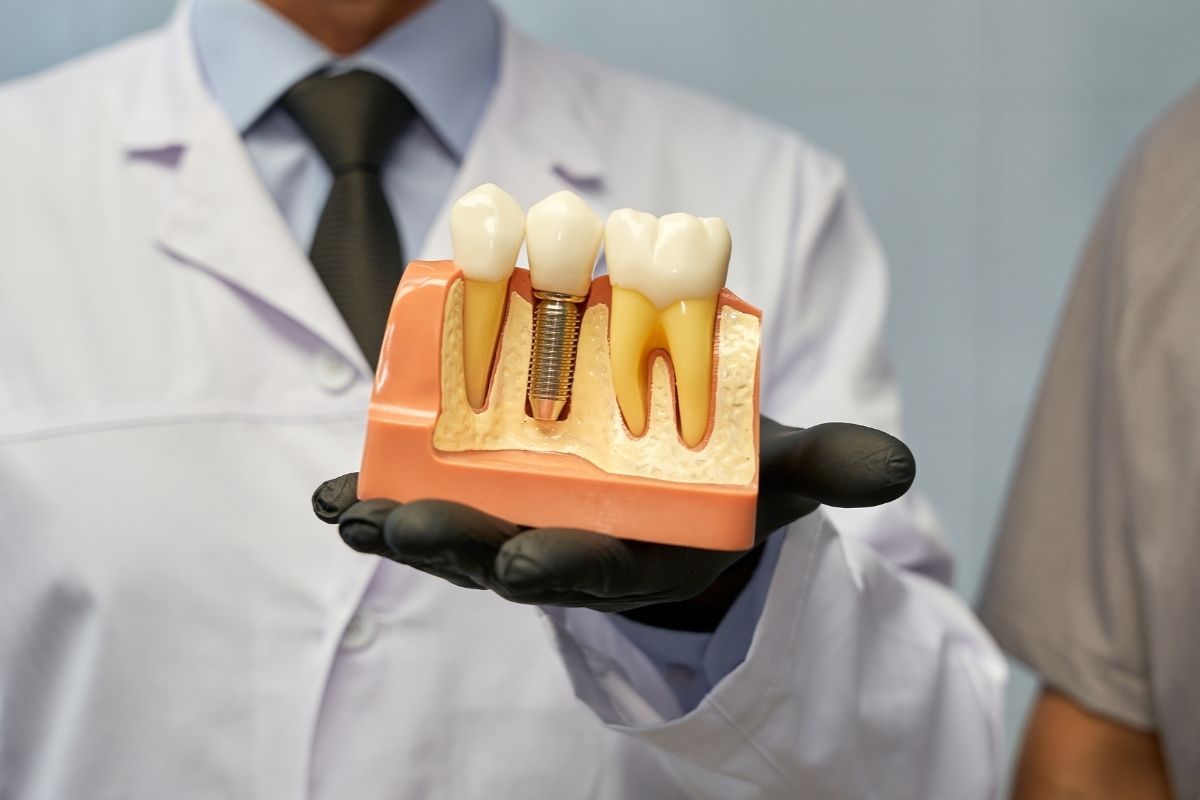
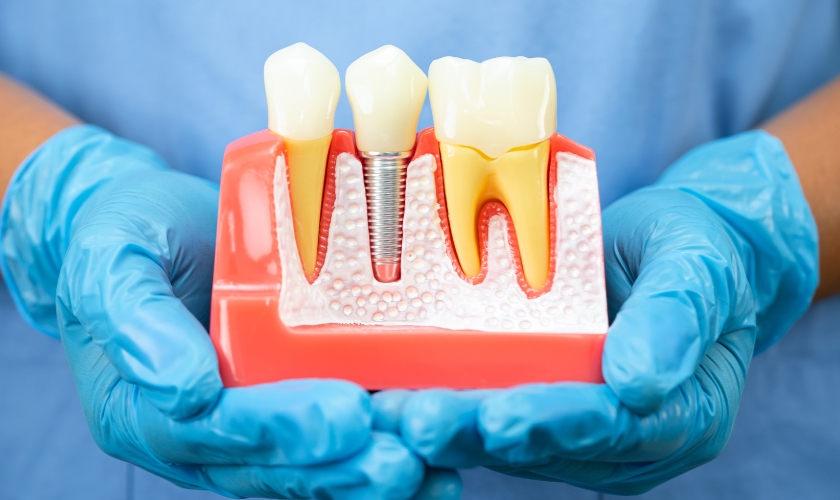
The most important part of the healing process is when the implant bonds with your jawbone. This process, known as osseointegration, allows the implant to function like a natural tooth root. It usually takes three to six months for this bonding to fully develop.
Your dentist will guide you through this phase and may discuss how to properly prepare for your dental implant procedure so your body is ready to heal efficiently and without complications. Patients receiving dental implant treatment in Camarillo are often given personalized care plans to support this critical stage.
Final Step: Placing the New Tooth
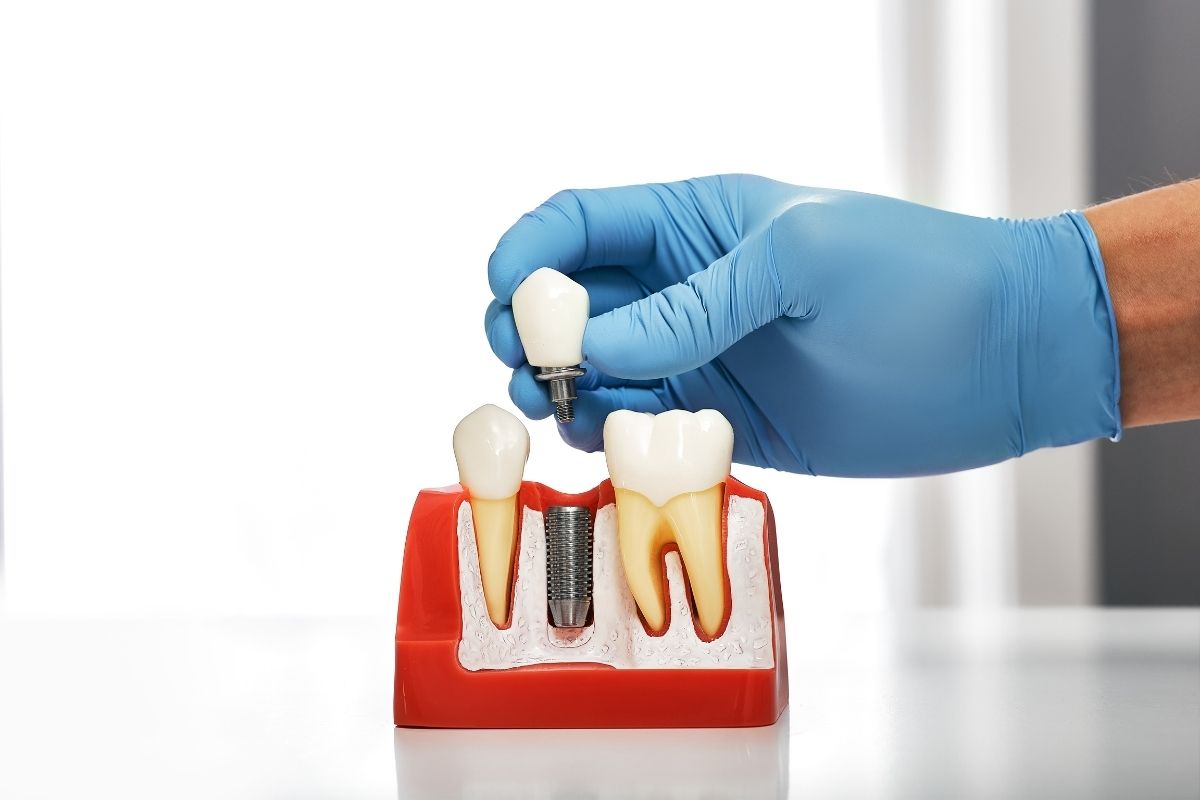
After the implant has fully integrated with the bone, the final restoration is placed. This includes attaching a custom crown that looks and feels like a natural tooth. This step is straightforward and does not require significant recovery time.
At this point, your smile is restored, and your implant is ready to function just like your natural teeth.
What Can Affect Healing Time?
Healing is not the same for everyone. Several factors can influence how quickly your implant heals.
Bone Strength and Density
A strong and healthy jawbone supports faster healing. If additional procedures such as bone grafting are needed, the timeline may be extended.
Daily Oral Care
Good oral hygiene is essential. Brushing, flossing, and following your dentist’s instructions can help prevent complications and promote healing.
Lifestyle Habits
Smoking and alcohol use can slow down recovery. Patients who avoid these habits tend to heal more predictably.
Overall Health
Your body’s ability to heal plays a major role. Conditions such as diabetes may affect recovery time and require closer monitoring.
How to Support a Smooth Recovery
While healing takes time, there are simple ways to make the process easier and more comfortable.
Stick to soft foods during the first few days and avoid chewing near the implant site. Keep your mouth clean and follow all aftercare instructions provided by your dentist. Staying hydrated and maintaining a balanced diet can also support faster healing.
Patients who follow these steps carefully often experience a smoother recovery and better long term results.
What Does Recovery Feel Like?
Many patients are surprised that recovery is more manageable than expected. Discomfort is usually mild and can be handled with common pain relief methods. Swelling tends to peak within the first two days and gradually improves.
You may need to make small adjustments, such as choosing softer foods and being gentle around the treated area, but these changes are temporary and help protect your implant.
Why Proper Healing Is Important
The healing period is not just about comfort. It is critical for the long-term success of your dental implants. Allowing enough time for the implant to bond with the bone ensures stability and durability.
Patients who complete dental implant treatment in Camarillo often find that taking the time to heal properly leads to a strong, natural-looking smile that can last for decades.
When Should You Call Your Dentist?
Although most patients heal without issues, it is important to stay aware of any unusual symptoms. Reach out to your dentist if you notice ongoing pain, excessive swelling, or any signs of infection. Early care can prevent complications and keep your healing on track.
Conclusion
Dental implants offer a reliable and long lasting solution for missing teeth, but they do require patience during the healing process. Most patients can expect a timeline of several months, with each stage playing an important role in building a stable foundation.
Understanding what to expect and following proper care instructions can make a significant difference in your experience. With the right approach, dental implants can restore both your smile and your confidence.
If you are thinking about dental implants and want to understand your personal healing timeline, schedule a consultation with Camarillo Premier Dental. A customized plan can help you move forward with clarity and confidence.
FAQs
How long does it take for dental implants to fully heal?
In most cases, dental implants take about three to six months to fully heal. This allows enough time for the implant to fuse with the jawbone and become stable.
Is the healing process painful after getting dental implants?
Most patients experience mild discomfort for a few days after the procedure. This can usually be managed with over the counter pain relief and proper care.
How do I know if my dental implant is healing properly?
Healthy healing usually includes reduced swelling, minimal discomfort, and no signs of infection. Your dentist will also monitor progress during follow up visits.
What can delay the healing of dental implants?
Factors such as smoking, poor oral hygiene, certain medical conditions, and weak bone structure can slow down the healing process.