Evening Hour Appointments For New Patients!
How Long Do Dental Implants Last? Tips to Make Them Last a Lifetime


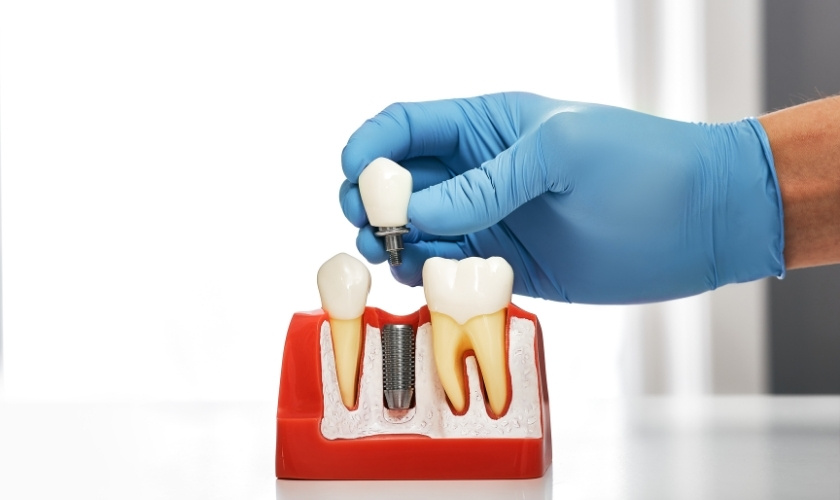
Dental implants are a game-changer for people with missing teeth. They restore your smile and function much like natural teeth. But how long do they actually last?
Many people assume that once you get an implant, it’s permanent. While the titanium post can last a lifetime, the crown attached to it may need replacement after 15–20 years. The good news is that proper care can significantly extend the lifespan of both.
This guide explains how long dental implants last, what affects their durability, and how you can help them last for decades.
How Long Do Dental Implants Last?
The longevity of dental implant treatment depends on several factors. Here’s what you should know:
Implant Post
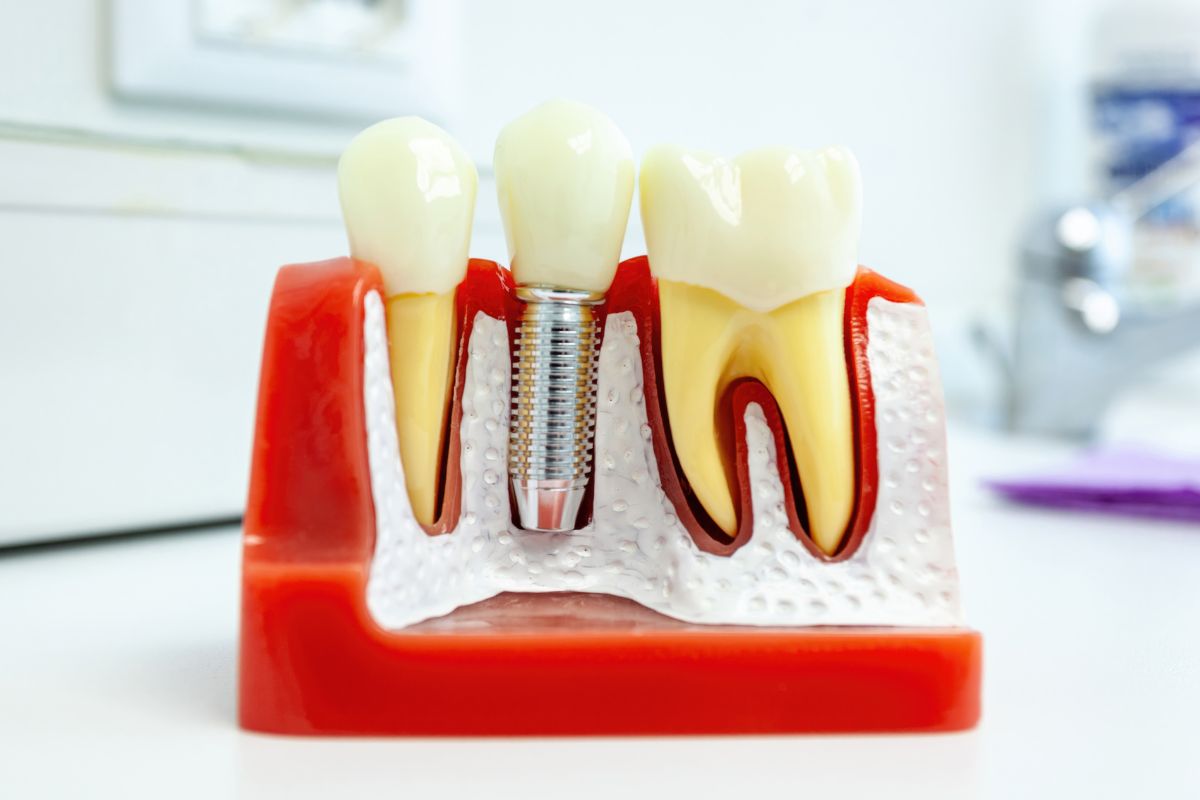
The titanium post fuses with the jawbone through a process called osseointegration. With good oral health and regular dental care, this part of the implant can last a lifetime.
Dental Crown
The visible portion of the implant typically lasts about 15–20 years. Chewing habits, bite pressure, and oral hygiene all influence how long the crown holds up.
Gum and Bone Health
Healthy gums and strong bone structure provide the foundation that keeps the implant stable. If gum disease or bone loss develops, it can shorten the lifespan of the implant.
With excellent care, many patients keep their dental implants for decades without complications. Poor oral hygiene and unhealthy habits, however, can significantly reduce their longevity.
Factors That Affect the Lifespan of Dental Implants
Several factors influence how long dental implants last. Understanding these can help you protect your investment.
1. Oral Hygiene
- Brushing and flossing daily helps prevent plaque buildup around the implant
- A soft-bristled toothbrush protects gum tissue
- Antibacterial mouthwash helps reduce harmful bacteria
- Regular dental visits allow early detection of potential issues
2. Lifestyle Habits
Smoking
Smoking slows healing and increases the risk of implant failure by affecting blood flow to the gums.
Teeth Grinding
Grinding or clenching puts excessive pressure on the implant and can damage the crown or surrounding bone.
Diet Choices
Hard foods can crack the crown, while sticky foods may pull on restorations. Sugary foods increase the risk of gum disease around the implant.
3. Overall Health
Your overall health plays an important role in implant success.
- Diabetes can slow healing if not well controlled
- Osteoporosis may affect bone strength
- Gum disease weakens the supporting structures
- A strong immune system supports long-term stability
4. Quality of the Implant and Placement
The success of dental implants also depends on professional care.
- High-quality materials improve durability
- Precise placement supports proper bite alignment
- Adequate bone support helps long-term stability
- Following post-surgery instructions improves healing
Tips to Make Dental Implants Last Longer
With consistent care, dental implants can stay strong and functional for decades. Here’s how to maximize their lifespan.
1. Maintain Excellent Oral Hygiene
- Brush twice daily using fluoride toothpaste
- Floss every day to remove plaque between teeth
- Use an interdental brush or water flosser for deeper cleaning
- Avoid abrasive toothpaste that may wear down the crown
2. Visit Your Dentist Regularly
Routine dental visits are essential for protecting your implants.
- Schedule check-ups every six months
- Professional cleanings remove buildup around implants
- Early detection prevents serious complications
- Your dentist can adjust bite pressure if needed
3. Avoid Harmful Habits
- Quit smoking to support gum health
- Avoid chewing ice, pens, or hard candy
- Wear a nightguard if you grind your teeth
- Do not use your teeth to open packages
4. Eat a Healthy Diet
A balanced diet supports bone and gum health.
- Eat calcium-rich foods like dairy, leafy greens, and nuts
- Vitamin D supports bone strength
- Limit sugary foods to reduce bacteria
- Drink water to help rinse away food particles
5. Protect Your Implants
- Wear a mouthguard during contact sports
- Avoid excessive biting force on hard objects
- Address discomfort or loosening right away
- Follow your dentist’s maintenance recommendations
Dental implants require an initial investment, but their durability makes them a reliable long-term solution. With proper care, the implant post can last a lifetime, while the crown may only need periodic replacement. Maintaining good oral hygiene, keeping regular dental appointments, and avoiding harmful habits all contribute to long-term success. If you’re considering dental implants or want to ensure your existing implants stay in excellent condition, the team at Camarillo Premier Dental Group is here to help. Schedule your appointment today to protect your smile and enjoy strong, functional teeth for years to come.