Evening Hour Appointments For New Patients!
How Can a Dentist Fix a Tooth That Feels Slightly Cracked but Looks Normal?


If your tooth feels slightly cracked but looks completely normal, a dentist can still identify and treat the issue. Tiny cracks are often not visible to the eye, but they can affect how your tooth responds to pressure and temperature. A dentist may recommend treatments such as bonding, a crown, or protective care depending on how deep the crack is. Getting the right dental care early can prevent the problem from becoming more serious.
Why a Tooth Can Feel Cracked Without Visible Damage
Many patients are surprised to learn that a tooth can feel uncomfortable even when it looks healthy. This usually happens because the crack is very small or located beneath the surface. It may affect the inner layers of the tooth rather than the enamel alone.
This condition is often referred to as a subtle tooth crack. It can develop from everyday habits like chewing hard foods or grinding your teeth at night. Because the damage is not obvious, it often goes unnoticed until symptoms begin to appear.
Signs That Should Not Be Ignored
Even a minor crack can create noticeable symptoms. Recognizing these early can help you avoid more involved treatment later.
You may feel discomfort when biting down or when releasing pressure after chewing. Some people notice sensitivity to hot or cold foods. Others experience occasional pain that seems to come and go without a clear cause.
If these symptoms sound familiar, it is a good idea to have your tooth evaluated. Many people in the Camarillo area choose to visit a trusted dentist in Camarillo when they notice these subtle changes.
How a Dentist Finds a Hidden Crack
Diagnosing a small crack takes more than a quick look. A dentist will begin by understanding your symptoms and when they occur. This helps narrow down the source of the discomfort.
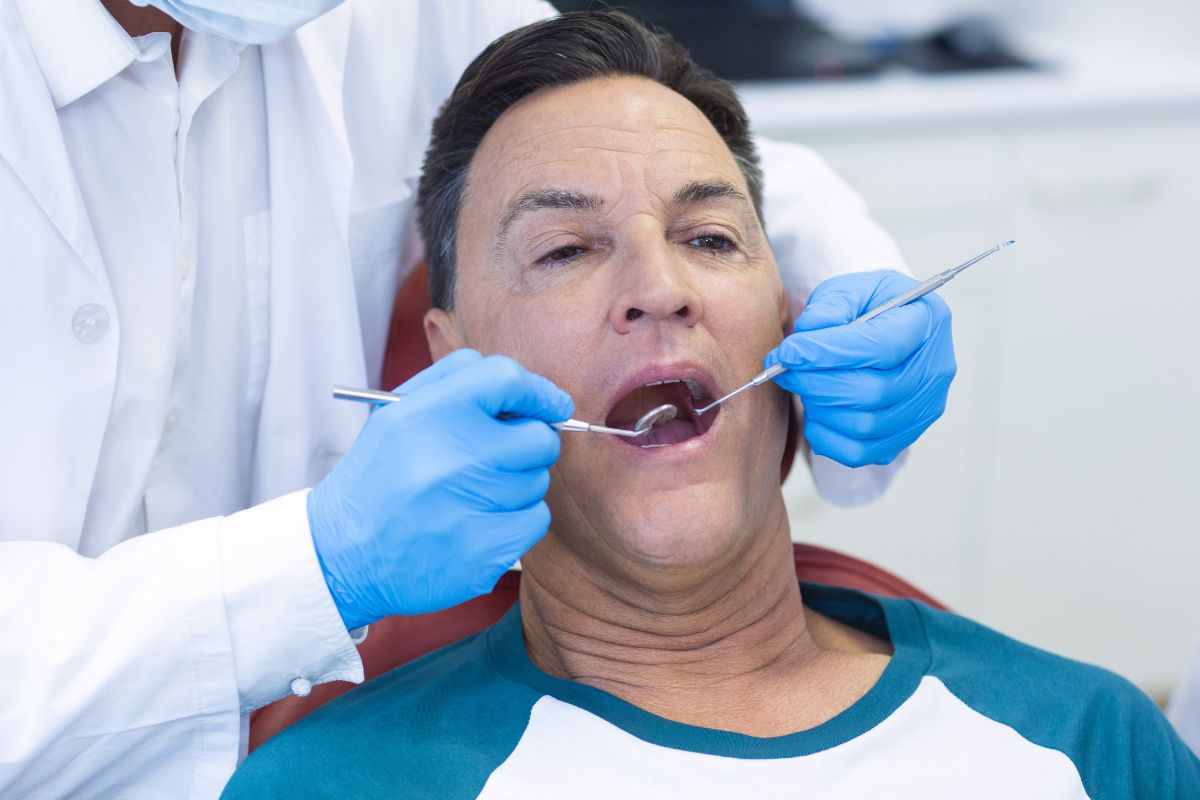
During your visit to a dental clinic, you may be asked to bite on a small tool to pinpoint the affected tooth. Special lighting or magnification may be used to detect fine lines in the enamel. Digital imaging can also help reveal deeper concerns, although very small cracks may not always appear on an X ray.
Experience plays a key role in identifying these issues. A careful and thorough approach helps ensure that nothing is overlooked.
Treatment Options for a Slightly Cracked Tooth
The right treatment depends on how far the crack has progressed and whether it has reached the inner portion of the tooth. The goal is to protect the tooth and restore its strength.
Dental Bonding
For very minor cracks, bonding is often a simple solution. A tooth colored material is applied to seal the area and support the structure. This treatment can usually be completed in a single visit and helps prevent the crack from spreading.
Dental Crown
When a crack is more noticeable or affects how the tooth handles pressure, a crown may be recommended. A crown covers the entire tooth and holds it together, reducing the risk of further damage. This is a common and reliable option in restorative dental care.
Root Canal Treatment
If the crack reaches the inner pulp, a root canal may be needed. This procedure removes the affected tissue and preserves the rest of the tooth. Afterward, a crown is placed to provide strength and protection.
Careful Monitoring
In very early cases, a dentist may recommend monitoring the tooth. This approach works when symptoms are mild and the crack is stable. Regular visits are important to ensure that the condition does not worsen over time.
The Importance of Early Dental Care
A small crack can become a larger problem if it is ignored. Daily chewing places pressure on your teeth, which can cause the crack to expand. Over time, this may lead to more serious damage or even tooth loss.
Seeking dental care early helps protect your natural tooth and reduces the need for more complex treatment. Patients who stay consistent with checkups often catch these issues before they progress.
For those living near Camarillo, having access to a reliable dental clinic makes it easier to address concerns quickly and comfortably.
How to Reduce the Risk of Tooth Cracks
While not every crack can be prevented, there are steps you can take to protect your teeth.
Avoid chewing on hard objects such as ice or pens. If you grind your teeth at night, a custom night guard can help reduce pressure. Maintaining good oral hygiene and visiting your dentist regularly are also important parts of preventive dental care.
Small habits can make a big difference in keeping your teeth strong over time.
When It Is Time to See a Dentist
If your tooth feels unusual when you bite or if sensitivity does not go away, it is best to schedule a visit. Even when there is no visible damage, the underlying issue may still require attention.
Many patients find that addressing the problem early leads to simpler and more comfortable treatment. It also provides peace of mind knowing that your oral health is being properly managed.
Conclusion
A tooth that feels slightly cracked but looks normal should never be ignored. These hidden cracks can cause discomfort and may lead to more serious issues if left untreated. A dentist can evaluate your symptoms, identify the cause, and recommend the right solution to protect your tooth. Staying proactive with your dental care and paying attention to subtle changes can help you maintain a healthy smile for years to come.
If you have noticed discomfort when biting or sensitivity that does not feel normal, it may be time for a professional evaluation. Camarillo Premier Dental Group offers patient focused dental care designed to identify and treat concerns early. Scheduling a visit can help you understand what is happening and take the next step toward lasting oral health.