Evening Hour Appointments For New Patients!
Early Stage Periodontal Disease Care Explained

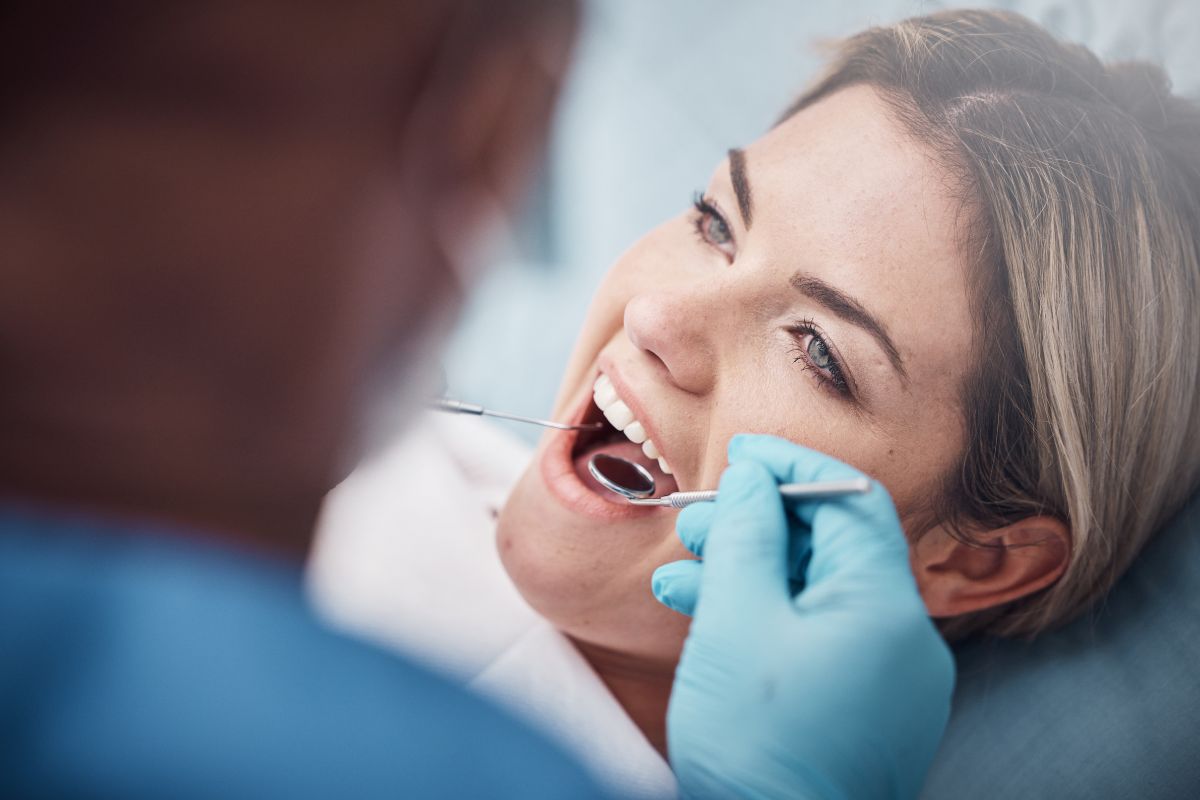
Early periodontal disease treatment focuses on removing harmful bacteria, reducing inflammation, and helping the gums heal before permanent damage occurs. When gum disease is caught in its earliest stage, treatment is usually simple and highly effective. Patients who seek timely care often avoid more advanced procedures and protect their long term oral health.
Many people first notice mild symptoms such as bleeding while brushing or slight gum tenderness. These early warning signs should not be ignored. With prompt attention and proper care, the condition can be reversed and your gums can return to a healthy state.
Understanding Early Stage Gum Disease
The earliest form of gum disease is called gingivitis. At this stage, the infection is limited to the gum tissue and has not affected the bone that supports the teeth.
You may notice:
- Gums that bleed during brushing or flossing
- Red or swollen gum tissue
- Persistent bad breath
- Sensitivity along the gumline
Because the damage is still minimal, early periodontal disease treatment can fully restore gum health when addressed promptly.
What Is the Goal of Early Treatment?
The main goal is to remove plaque and tartar while controlling the bacteria that cause inflammation. When left untreated, plaque hardens into tartar, which cannot be removed at home.
Treatment is designed to:
- Remove buildup along the gumline
- Reduce bacterial activity
- Allow the gums to heal naturally
- Prevent the disease from progressing
When these steps are taken early, the chances of recovery are very high.
Professional Dental Cleaning
For most patients, treatment begins with a professional dental cleaning. This is often enough to reverse gingivitis.
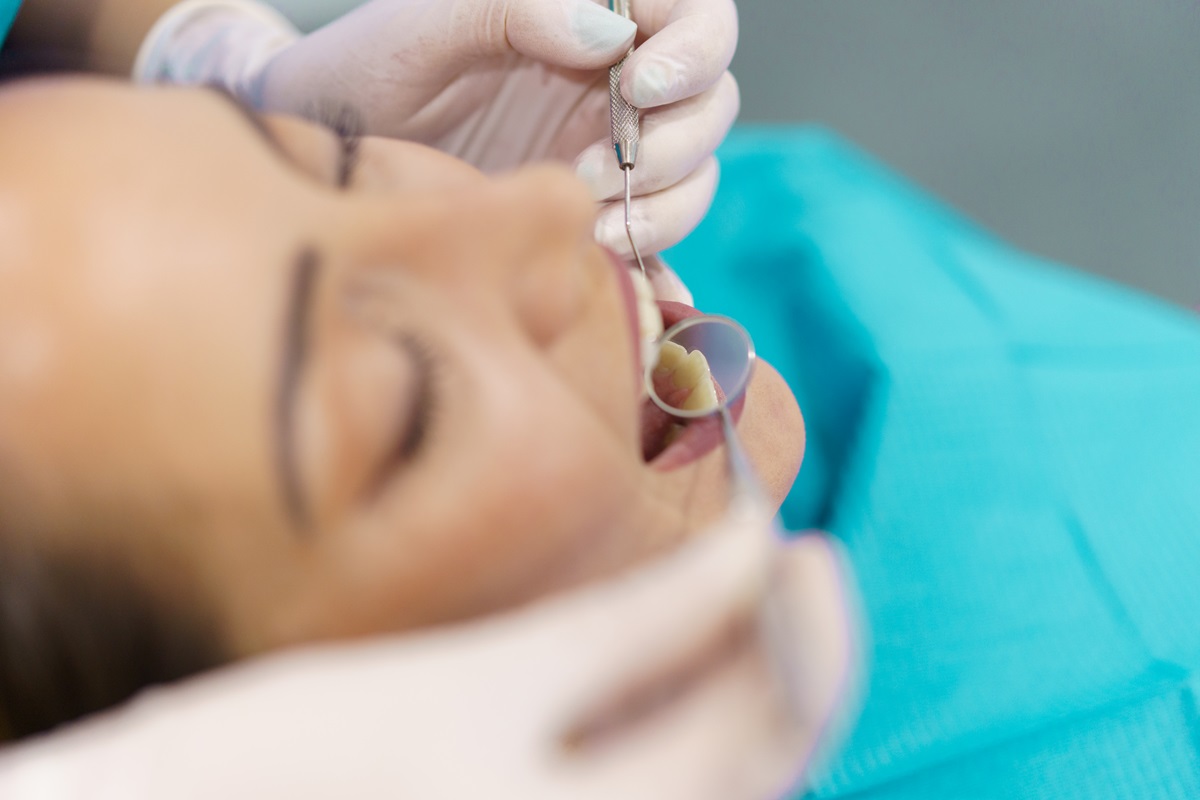
During the visit, your dental provider will carefully clean the surfaces of your teeth and remove plaque and tartar. This process also includes polishing the teeth, which helps prevent future buildup.
After a thorough cleaning, many patients notice that their gums become less inflamed and stop bleeding within a short period of time.
Scaling and Root Planing
If the condition has progressed slightly, a deeper cleaning known as scaling and root planing may be recommended.
This treatment involves removing buildup from below the gumline and smoothing the root surfaces. By doing so, it becomes easier for the gums to reattach to the teeth and for inflammation to decrease.
This step plays an important role in periodontal disease treatment when standard cleaning alone is not enough to control the infection.
Strengthening Your Daily Oral Care Routine
Professional care must be supported by good habits at home. Without consistent oral hygiene, gum disease can return even after treatment.
Your dentist may recommend brushing twice a day using proper technique and flossing daily to remove plaque between teeth. An antibacterial mouth rinse can also help reduce bacteria and support healing.
Small improvements in your daily routine can make a lasting difference in your gum health.
Antibacterial Support When Needed
In some cases, additional treatment may be used to control bacteria more effectively. This may include prescription mouth rinses or medications placed directly in the gum pockets.
These options are typically used when inflammation is more persistent or when the risk of progression is higher. They work alongside cleaning procedures to improve overall results.
Ongoing Care and Monitoring
Even after successful treatment, regular dental visits are essential to maintain healthy gums. Your dentist will monitor your progress and check for any signs of recurrence.
Routine cleanings and exams help ensure that plaque does not build up again. Patients who stay consistent with follow up care are far more likely to keep their gums healthy over time.
For individuals exploring periodontal disease treatment in Camarillo, staying on schedule with dental visits can help prevent small issues from becoming more serious concerns.
Why Early Treatment Matters
Delaying care allows gum disease to progress into a more advanced stage known as periodontitis. At that point, the infection can begin to affect the bone and supporting structures of the teeth.
This can lead to gum recession, loose teeth, and even tooth loss. Early periodontal disease treatment helps avoid these complications and keeps treatment simple and comfortable.
Lifestyle Factors That Influence Healing
Your overall health and daily habits play a role in how well your gums respond to treatment.
Factors that can affect healing include smoking, poor nutrition, stress, and conditions such as diabetes. Addressing these factors can improve treatment outcomes and support healthier gums.
Making small lifestyle changes can strengthen the results of your care and reduce the risk of future problems.
When Should You See a Dentist?
You should not wait until you feel pain to seek care. Gum disease often develops quietly, and early symptoms can be easy to overlook.
If you notice bleeding gums, bad breath, or changes in how your gums look or feel, it is important to schedule a dental visit. Early evaluation allows your dentist to recommend the most appropriate treatment before the condition worsens.
Conclusion
Early stage gum disease is common, but it is also highly treatable. With timely care, proper cleaning, and consistent oral hygiene, you can restore your gum health and prevent long term damage.
Understanding the importance of early action can help you protect your smile and avoid more complex treatments in the future. Patients who seek periodontal disease treatment often find that early care makes the entire process simpler and more effective.
If you have noticed early signs of gum disease or have not had a dental checkup in a while, consider scheduling a visit with Camarillo Premier Dental Group. Taking action now can help protect your gums and keep your smile healthy for years to come. Schedule your appointment today!