Evening Hour Appointments For New Patients!
Dental Crowns vs. Veneers in Camarillo, CA


When a patient sits in the dental chair and hears they may need a crown or a veneer, confusion often follows. Both restorations improve your smile, but they serve very different clinical purposes. Understanding crowns vs. veneers — why your dentist recommends one over the other in Camarillo — helps you make confident, informed decisions about your care. Dr. Thomas M. Pham at About Us Camarillo Premier Dental walks patients through this choice every day.
What Is the Core Difference Between a Crown and a Veneer?
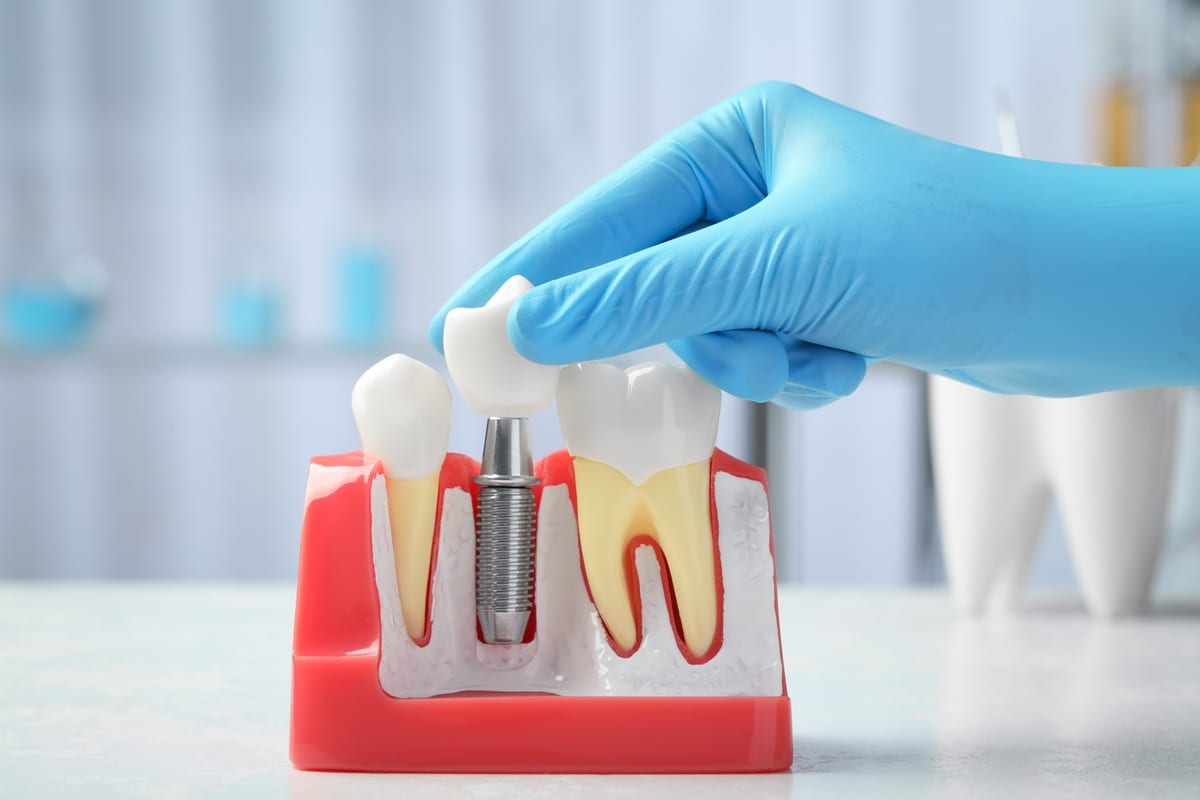
A dental crown covers the entire visible tooth above the gumline. It wraps around all surfaces to protect and restore full function. A veneer, by contrast, is a thin shell bonded only to the front face of the tooth. Think of a crown as a protective helmet and a veneer as a cosmetic facing.
This structural difference drives every clinical recommendation. If your dentist chooses one over the other, it is not random. It is based on how much healthy tooth structure remains, how much bite force the tooth absorbs, and what outcome you are trying to achieve.
When Your Dentist Recommends a Crown in Camarillo
Crowns are the right choice when a tooth needs structural support — not just cosmetic improvement. Dr. Pham commonly recommends a crown in the following situations:
- A large cavity has destroyed more than half of the tooth
- A tooth has cracked or fractured under biting pressure
- A root canal has been completed and the tooth is now brittle
- An existing large filling is failing and weakening the tooth
- A tooth is severely worn down from grinding or acid erosion
In each of these cases, a veneer simply cannot do the job. A thin porcelain shell cannot stabilize a cracked tooth. It cannot protect a post-root-canal molar from fracturing. Only a full crown provides the 360-degree coverage needed.
Crowns also work well on back teeth, which absorb heavy chewing forces. Veneers are rarely placed on molars for this reason. Your back teeth need durability above all else.
When Your Dentist Recommends a Veneer Instead
Veneers shine when the underlying tooth is structurally sound but cosmetically imperfect. They are a conservative option because preparation removes only a thin layer of enamel. Dr. Pham recommends veneers in situations like these:
- Permanent stains that do not respond to teeth whitening
- Minor chips or small cracks on healthy front teeth
- Slightly uneven tooth lengths or mild gaps
- Naturally small or misshapen teeth that affect smile symmetry
Because veneers only cover the front surface, they preserve far more natural tooth structure than crowns. That is a meaningful advantage when the tooth itself is still strong. Conserving enamel always benefits long-term dental health.
Veneers are almost always placed on front teeth — the upper incisors and canines patients see most when they smile. They are not designed for biting and chewing stress. Placing them on back teeth would risk premature failure.
The Clinical Reasoning Behind Every Recommendation
Your dentist does not choose between crowns and veneers based on preference or cost. The decision follows a clinical checklist. Dr. Pham evaluates several factors during every exam:
Remaining tooth structure: If more than 50% of the tooth is damaged or missing, a crown is almost always required. A veneer needs a healthy, stable base to bond to.
Location in the mouth: Front teeth handle lighter forces. Back teeth endure heavy grinding and chewing. That placement guides material and restoration type.
Patient goals: A patient with a cracked front tooth who also wants a whiter smile may still need a crown for safety. A patient with minor discoloration and healthy enamel is a veneer candidate.
Bite alignment: Patients with misaligned bites or bruxism may not qualify for veneers until those issues are addressed. Grinding destroys veneers quickly. Orthodontics may be recommended before cosmetic work begins.
This is why a thorough exam always comes before a treatment recommendation. No reputable dentist recommends a restoration without first evaluating all these factors. Camarillo patients deserve that level of clinical care.
What to Expect During Your Appointment at Camarillo Premier Dental
Whether you need a crown or a veneer, the process at Camarillo Premier Dental is straightforward. Dr. Pham explains every step before treatment begins. Here is what most patients experience:
- Comprehensive exam: X-rays and a visual exam determine the extent of damage or cosmetic concern.
- Treatment discussion: Dr. Pham explains why he recommends a specific restoration and what the alternatives are.
- Tooth preparation: Crowns require more enamel removal than veneers. Local anesthesia keeps the process comfortable.
- Impressions or digital scans: These guide the creation of your custom restoration.
- Placement and adjustment: Your restoration is bonded and checked for proper fit and bite.
Many patients are surprised by how straightforward the process feels. Camarillo Premier Dental also offers same-day dentistry options for patients who need faster restorations. Ask Dr. Pham whether your case qualifies for an accelerated timeline.
If cost is a concern, explore Financing options available at our practice. Flexible payment plans make both crowns and veneers more accessible for Camarillo families.
Conclusion: The Right Restoration Starts With the Right Diagnosis
Crowns and veneers are both excellent restorations — in the right situations. Choosing one over the other is a clinical decision rooted in tooth health, location, and your specific smile goals. Dr. Thomas M. Pham and the team at Camarillo Premier Dental take that decision seriously. Every recommendation is based on what is best for your long-term oral health, not just what looks good in the short term. Book Now to schedule your appointment with our team.
Frequently Asked Questions
Can I choose a veneer even if my dentist recommends a crown?
Your dentist’s recommendation is based on clinical findings, not preference. If a tooth lacks enough healthy structure or is under heavy biting force, a veneer will not hold up safely. Choosing a veneer in those cases risks further damage or restoration failure. Trust the clinical reasoning behind the recommendation.
Do crowns look as natural as veneers?
Modern porcelain crowns are highly lifelike. Dental technology allows crowns to mimic natural tooth color, translucency, and shape very closely. Most patients find that a well-made porcelain crown is virtually indistinguishable from a natural tooth. Your dentist matches the shade to surrounding teeth for a seamless result.
How long do crowns and veneers last?
Crowns typically last 10 to 15 years or longer with proper care. Veneers have a similar lifespan when maintained well. Good oral hygiene, regular cleanings, and avoiding habits like grinding or nail-biting extend the life of both restorations significantly.
Is the veneer process reversible?
Veneer placement involves removing a thin layer of enamel from the tooth surface. Since enamel does not regenerate, this process is considered permanent. Once enamel is removed, the tooth will always need a veneer or similar restoration. Discuss this with Dr. Pham before committing to the procedure.
What if I need both a crown and a veneer in the same treatment plan?
It is entirely common for patients to receive a mix of restorations. A patient might need a crown on a damaged molar and veneers on healthy front teeth. Dr. Pham creates a comprehensive plan that addresses both function and aesthetics together. Each tooth is evaluated individually to ensure the best outcome.